Universal Studios Hollywood
- 3.3
- Rating
- 1.00M
- Installs
- Free
- Price

 Analysis by App-foxy
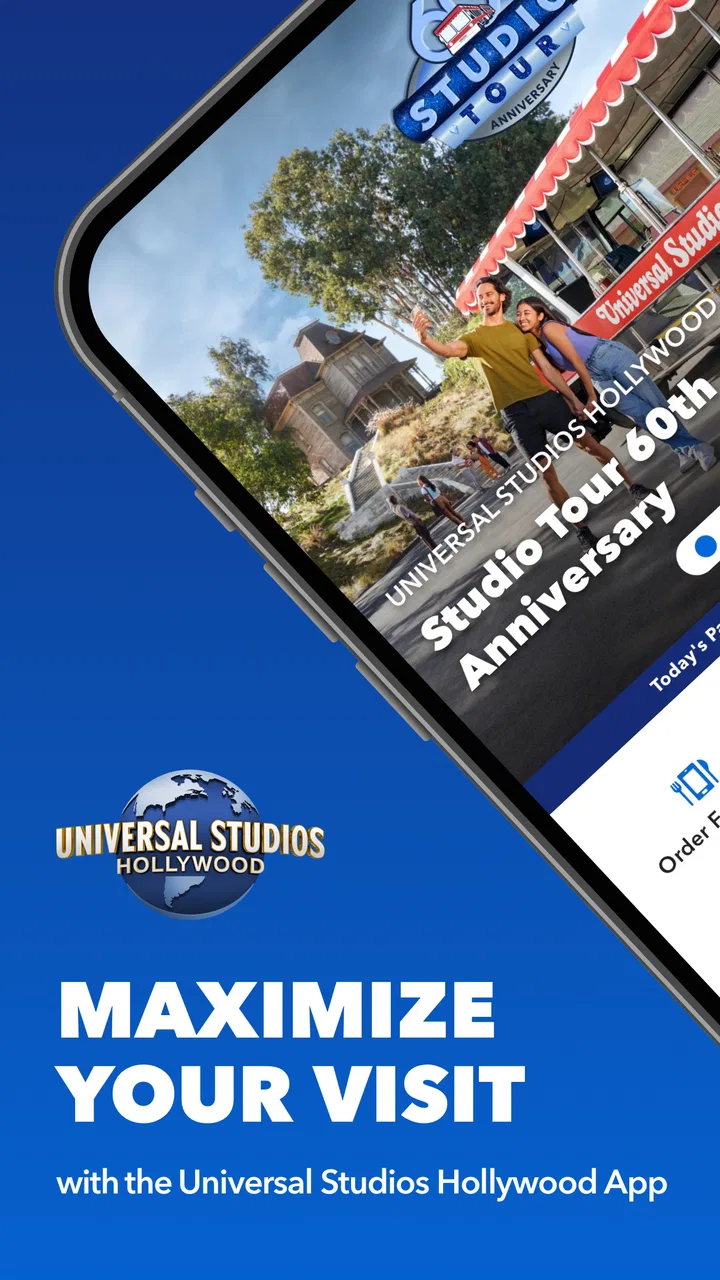
Planning a day at Universal Studios Hollywood is easier when the information you need is gathered around the visit itself rather than scattered across general travel websites, maps, and search results. I found Universal Studios Hollywood useful in that role: it is a free Travel & Local app from NBCUniversal Media, LLC designed to help visitors organize their time at the park. Its short store description is simply “Universal Studios,” while the broader promise is to help you get more from your visit.
I would not treat it as a complete replacement for every other travel tool. A general map app is still better for the drive to the resort, nearby hotels, and wider Los Angeles planning. What this app does better is keep the park experience at the center of the screen. That distinction matters when you are already inside, trying to decide what to do next, or helping someone in your group understand the plan without turning the day into a research project.
How clearly the app supports a park day
My first impression is that the app makes the most sense when used before and during the visit, not as a general entertainment app at home. The developer is NBCUniversal Media, LLC, and the app belongs to the Travel & Local category. It has been available since September 26, 2016, and the current version is 2026.5.1. That long presence suggests a product maintained for an ongoing destination rather than a one-off event guide.
You May Also Like

 Blood Strike: 2.5 Anniversary
Blood Strike’s Loadouts Turn Every Drop Into a Tactical Gamble
A close look at Blood Strike’s custom loadouts: how fast access to signature weapons reshapes its battle royale rhythm, rewards preparation, and narrows the gap between fights.

 Pandora - Music & Podcasts
Pandora’s Music Is Easy to Start, but Harder to Recover
Pandora’s strength is its low-effort path from a seed to a station. Its weak spot is how much confidence it asks you to place in connection, setup, and quiet recovery.

 8 Ball Pool
 Is Built on Rivalries, Rematches, and Routine
A close look at the rivalries, rematches, shared routines, and unanswered safety questions that turn a quick pool match into a persistent mobile community.

 Samsung Music
’s Quiet Strength Is Playing What You Already Own
Its reach comes less from spectacle than from dependable access to a personal library. That simplicity is both the app’s strongest retention engine and its ceiling.

 AccuWeather: Weather Radar
AccuWeather Review: A Quick, Clear Forecast for Everyday Decisions
For everyday plans, the best forecast is the one you can understand quickly. AccuWeather makes rain timing, radar, and local conditions easy to act on, with a few trade-offs.

 Hill Climb Racing
Why Hill Climb Racing Still Turns Crashes Into One More Run
A tiny car, a bumpy hill and one more upgrade: Hill Climb Racing keeps resurfacing because its simple chaos makes every near-miss feel personal.
More From Our News Desk



The app is free, which removes an obvious barrier for families deciding whether everyone should install it. It is rated for Everyone 10+, and the minimum operating system is Android 9. Those details are practical rather than exciting, but they matter when a group includes an older phone, a child’s device, or a shared family handset. I would check compatibility before leaving home, especially if the park day depends on one person’s phone.
Navigation is most useful when I approach it with a specific question. Instead of opening it and browsing aimlessly, I would decide whether I am looking for an attraction, trying to orient myself, checking what to do next, or building a loose plan for the day. That habit reduces screen time and makes the app feel like a tool rather than another source of distraction.
For readability, I prefer using it in short sessions. A bright outdoor environment, walking movement, and a busy group are not ideal conditions for studying dense screens. I would prepare the basics before entering the park, then use the app for quick checks. This is also a good approach for someone who finds crowded visual layouts tiring: make the decisions at home, and leave only small adjustments for the visit.
Planning before leaving home
The strongest workflow is to involve the whole group before the day begins. I would ask each person to identify the attractions or areas they care about most, then use the app to turn those priorities into a realistic order. That is more useful than trying to promise that everyone will do everything. A theme park day has walking, waiting, meals, and unexpected pauses, so a short priority list is easier to follow than an ambitious schedule.
For a family, I would also create a simple verbal plan: one meeting point, one person responsible for checking the app, and a backup idea if the group gets separated. This is an important accessibility improvement even though it is not a feature of the app itself. The application can support orientation, but it should not become the only memory aid or communication method for the group.
Another useful preparation step is to charge the phone fully and decide who will carry the responsibility for updates. If several people constantly open the app, battery use and confusion can increase. One navigator and one backup person is usually more manageable than six people making separate decisions. This is particularly helpful when a visitor has limited hand strength, fatigue, or difficulty switching quickly between tasks.
I also recommend taking screenshots or writing down the most important parts of the plan when you are still at home. I would not rely on a single live screen for essential information. A paper note, a shared message, or a simple written list can make the day less stressful for someone who cannot comfortably use a phone while walking.
Navigation for different reading and attention needs
The app’s value depends partly on how comfortably each visitor can interpret information while moving through a crowded destination. Someone who reads quickly and enjoys making spontaneous choices may find the experience straightforward. Someone with dyslexia, attention difficulties, low vision, or limited English confidence may need a slower setup and a companion who can summarize the important parts.
My practical advice is to avoid making a visitor read the screen while crossing busy paths or standing in a moving crowd. Stop somewhere safe, enlarge the phone’s system text if that helps, and have one person explain the next step aloud. This is not a substitute for built-in accessibility controls, but it is a realistic way to reduce pressure during a busy visit.
Short, concrete decisions work best: where to go next, how long the group is willing to wait, and where to regroup. I would not use the app as a constantly changing command center for a large party. That creates too many updates and can leave the person holding the phone feeling responsible for everyone’s enjoyment.
There is also a social side to readability. A child may understand a map or attraction list differently from an adult, while a visitor with anxiety may want to know the next destination without discussing the entire day. I would show only the information needed for that moment. Giving someone a small choice, such as selecting between two nearby plans, can be more inclusive than presenting a long list of possibilities.
Motor, sensory, and situational considerations
I find it helpful to think about phone use as part of the visit’s physical and sensory setup, not just as a navigation choice. A little preparation—such as deciding who will check the screen and when the group can pause—can make decisions easier for visitors with limited dexterity, fatigue, or sensory sensitivity. The next section looks at how to use that approach without making the app another source of pressure.
Using the app while walking
A park app is used in motion, which creates a different challenge from using a travel planner at a desk. Holding a phone, tapping accurately, reading small details, and keeping track of companions all compete for attention. I found the safest approach is to stop before interacting with it. If you have tremors, reduced dexterity, or pain in your hands, preparing the route and priorities in advance can reduce the number of taps needed during the day.
Visitors with limited stamina may benefit from treating the app as a decision aid rather than a tool for maximizing every minute. The phrase “maximize your visit” can easily sound like a reason to keep moving, but my interpretation is more balanced: maximize the parts that matter to you. If a quieter break, a meal, or a return to a favorite area is important, that should count as a successful use of the day.
For a wheelchair user, someone using a cane, or anyone who needs frequent rest, the app can help with orientation, but I would not assume that a digital map alone answers every route question. A path that looks close on a screen may still involve slopes, crowds, stairs, or difficult turns. When physical access affects the plan, ask park staff for current, situation-specific guidance rather than relying only on the phone.
The same caution applies to parents managing a stroller. It is tempting to keep one hand on the stroller and the other on the phone, but that is a poor arrangement in a crowded park. I would assign navigation to another adult, or stop in a clear area before checking the next destination. The app is more useful when it supports safe movement instead of encouraging multitasking.
Sensory load and changing plans
Universal Studios Hollywood is a high-stimulation destination by nature. Noise, crowds, bright attractions, queues, and frequent changes can be tiring for autistic visitors, people with migraines, and anyone sensitive to sensory overload. The app cannot remove those conditions, but it can help a group reduce uncertainty by deciding what matters most before entering.
I would create a low-pressure plan with an exit option for every major activity. For example, agree that a visitor may leave the group, pause, or skip an attraction without having to justify the choice. The app can help the remaining group continue, but the inclusive part comes from the agreement and the communication around it.
One non-obvious advantage of a dedicated park app is that it keeps planning tied to the destination rather than mixing it with unrelated web results. That can make the information easier to focus on. The trade-off is that a dedicated app may encourage you to look at the park as a sequence of tasks. I would resist that mindset if someone in the group needs a slower pace or predictable breaks.
Another useful strategy is to nominate a “quiet decision maker.” When the group is tired, the person with the clearest attention can check the app and explain the next move. This avoids passing a phone repeatedly through a crowded group and gives a visitor who is overwhelmed permission to stop processing information.
When connectivity, battery, or attention becomes a problem
Any phone-based park plan has practical weaknesses. Battery life can become important during a full day, particularly if the same device is also used for photos, messages, tickets, and calls. I would start with a full charge, carry a power bank if appropriate, and keep a written backup of meeting details. Those steps are more valuable than repeatedly refreshing the app without a clear reason.
I would also avoid assuming that the app should be the sole source of urgent information. If a member of the group is separated, has a medical concern, or needs immediate assistance, contact park staff or emergency services as appropriate. A travel app is for planning and orientation; it should not replace human help.
For visitors who do not enjoy smartphone navigation, the app may feel like extra work. A printed plan and a companion who knows the park may be better. The application is most helpful when at least one person in the group is comfortable checking information and translating it into simple decisions for everyone else.
What the app does well compared with usual alternatives
Compared with a general map application, Universal Studios Hollywood is more focused on the actual park visit. A general map is excellent for getting to the resort, finding surrounding businesses, or comparing routes from a hotel. It is less naturally suited to organizing a day around attractions and park priorities. I would use both, but for different jobs.
Compared with a paper guide, the app should be easier to adjust when the group changes its mind. Paper is calmer, more shareable, and does not need a battery, but it becomes outdated as soon as plans change. My preferred combination is digital preparation with a small written backup, especially for families, older visitors, and people who become stressed when technology fails.
Compared with simply asking staff, the app gives the group a private way to review options before approaching someone. Staff remain the better resource for immediate, personal questions, especially those involving mobility, sensory needs, or a changing situation. The app can get you oriented; a person can interpret the circumstances.
Who will appreciate it, and who may skip it
I think the app is a good fit for first-time visitors, families coordinating different interests, and anyone who wants the park information close at hand. It is also useful for a visitor who prefers to make a rough plan before arriving, then adjust that plan without carrying a full guidebook.
I would be more cautious about recommending it to someone who dislikes phone-based planning, has an older device that struggles with current apps, or expects a digital guide to solve every accessibility question. Visitors with significant mobility or sensory requirements should use it as one planning layer, not as a guarantee that every practical detail will be covered.
The app has an average rating of 3.4 from around two thousand ratings, with several hundred written reviews, and it has passed one million installs. I read those figures as evidence of broad use rather than proof that every visitor will have a smooth experience. A destination app is judged in demanding conditions: weak attention, crowded paths, changing plans, and a phone that may already be doing several jobs.
Its age rating of Everyone 10+ also makes it broadly suitable for family trip planning, but the rating should not be confused with an accessibility promise. A child may be able to use the app while still needing an adult to interpret the plan, manage the device, and decide when a break is necessary.
My inclusive verdict after using it
Universal Studios Hollywood is most successful when I use it to reduce avoidable decisions, not to squeeze more activity into every minute. It gives a park-focused alternative to general maps and paper guides, and its free access makes it easy to include in a family’s preparation. The best results come from setting priorities at home, assigning one navigator, and keeping a non-digital backup.
For different abilities and contexts, the app is a helpful support but not a complete solution. It can make orientation and planning more manageable, yet it cannot judge fatigue, sensory overload, physical route difficulty, or the personal adjustments someone may need. Those decisions still require flexibility, communication, and sometimes direct help from park staff.
My recommendation is straightforward: install Universal Studios Hollywood if you are visiting the park and want a dedicated planning companion, especially if your group has several competing priorities. Use it alongside a general map for travel to the resort and alongside human judgment for accessibility questions. If you prepare the important choices before arrival and let the app handle only the decisions it is good at, it becomes a practical way to make the day feel more organized without making anyone feel pressured to keep up.
FAQs for Universal Studios Hollywood
01What features does the Universal Studios Hollywood app offer?
The Universal Studios Hollywood app provides a comprehensive guide to the park, including interactive maps, show schedules, and wait times for rides. It also offers dining options, attraction details, and the ability to purchase tickets directly through the app. Users can customize their itinerary to maximize their park experience.
02Is the Universal Studios Hollywood app available for both Android and iOS devices?
Yes, the Universal Studios Hollywood app is available for download on both Android and iOS platforms. This ensures that users can access the app's features regardless of their device type, allowing for seamless planning and navigation while visiting the park.
03Does the app require an internet connection to function?
While some features of the Universal Studios Hollywood app require an internet connection, such as real-time updates on wait times and show schedules, other features like downloaded maps can be accessed offline. It's recommended to have an active internet connection for the best experience.
04Can I use the app to purchase and store tickets?
Yes, the Universal Studios Hollywood app allows users to purchase and store tickets directly on their devices. This feature provides convenience by eliminating the need for physical tickets and enables quick access to the park. Users can simply scan their tickets from the app at the entrance.
05How does the app enhance the park experience for visitors?
The Universal Studios Hollywood app enhances the visitor experience by offering up-to-date information on ride wait times, show times, and dining options. It helps visitors plan their day efficiently, ensuring they make the most of their time at the park. The app's interactive map also aids in easy navigation.
Pros
- Stunning graphics and immersive sound effects.
- Wide range of attractions and features.
- Regular updates with new content.
- Interactive maps enhance navigation.
- User-friendly interface with smooth performance.
Cons
- Requires a stable internet connection.
- Large app size may affect storage.
- Some features need in-app purchases.
- Occasional crashes on older devices.
- Limited support for certain regions.

Universal Studios Hollywood
Gallery